Physiotherapy Blog | Expert Pain Relief, Injury Recovery & Health Tips

Frozen Shoulder Physiotherapy Melbourne : Symptoms, Treatment & Recovery

Frozen shoulder is a condition where the shoulders become stiff and immobile because of thickened tissues surrounding the joint. This causes the formation of scar tissue in the capsule leading to severe pain and limited ROM.

Frozen shoulder can be managed with physiotherapy and, in most cases, full shoulder ROM can be achieved without the need for surgical intervention.

The recovery process for this condition can be lengthy, but with the right physiotherapy, significant improvement can be experienced in just 3 to 6 months despite the fact that physiotherapy is usually the only method employed to manage frozen shoulder during the 1 to 3 years that the condition can take to resolve on its own.

The condition is characterized by increasing shoulder pain and stiffness, limited shoulder ROM, and the inability to perform daily and most basic tasks such as dressing and reaching. Those impacted by the condition can also make it difficult to sleep.

Keep In Motion Physio provides frozen shoulder physiotherapy to those that live in the northern and western suburbs of Melbourne. From the early stages that are characterized by pain to the later stages of full rehabilitation, this guide will provide you everything you need to know about frozen shoulder physiotherapy in Melbourne.

What’s Frozen Shoulder?

This is an inflammatory condition which occurs not only on the glenohumeral joint but also on the connective tissue covering the joint. In frozen shoulder disease, there will be an inflammation and thickening of the connective tissue covering the joint, and because of this there will be fibrous adhesions developing on the joint capsule.

Frozen shoulder also differs from a rotator cuff injury or impingement in the pattern of limitation. With frozen shoulder, movement is restricted to the point of a mechanical limitation of the joint capsule. In the case of other shoulder conditions, movement is primarily restricted due to pain. People with frozen shoulder, even when put under, are unable to achieve a full range of motion, which is also what sets frozen shoulder apart.

Frozen shoulder affects an estimated 2 to 5 percent of the population, according to the Australian Physiotherapy Association. It is more frequent among women, individuals between the ages of 40 to 60 years old, and those with preexisting health conditions such as diabetes.

What Causes Frozen Shoulder?

Often, the shoulder seems to “freeze” on its own, and the reason is sometimes unknown. This is known as primary or idiopathic frozen shoulder. Still, several factors are thought to be related to the occurrence of frozen shoulder.

Diabetes

Diabetes can cause Frozen Shoulder and is usually a major factor. Frozen Shoulder affects 2-4 times the amount of individuals in the diabetic population. These individuals also experience increased and more severe symptoms, as well as an increased recovery time. There is no known reason as to why this is the case. Some speculate that problematic collagen metabolism and joint capsule glycation may be responsible.

Shoulder Injury, Trauma, or Surgery

Shoulder trauma or injury may be responsible for developing shoulder inflammation which can lead to Frozen Shoulder. An example of this would be a fall that leads to an arm injury, and sports injury treatment as well as a torn rotator cuff. This is known as secondary Frozen Shoulder.

Surgery or Prolonged Immobilisation

Frozen Shoulder can occur as a result of surgical procedures that require post-operative immobilisation of the arm for an extended time. This may include some cardiac and breast surgeries as well as some shoulder surgeries. This is one reason that post-operative shoulder therapy is initiated early.

Thyroid Disorders

Thyroid conditions may play an unexplained role in the development of Frozen Shoulder. Both hyper and hypothyroidism can increase the likelihood of developing Frozen Shoulder. If you have a thyroid condition, mention to your GP and Physiotherapist any shoulder pain or stiffness.

Age and Gender

Frozen Shoulder is typically seen in individuals 40-60 years of age. It is also seen, but not limited to, women, as it affects women twice as often as men. The reason for this disparity is not documented.

Long Periods of Not Moving

Anything that means not using an arm, like a stroke, broken arm, or surgery, means that the shoulder capsule can start to contract. This is the reason for the recommended early, gentle exercise with all patients who have sustained injuries or undergone surgery to the upper limb.

How to Identify Frozen Shoulder

Usually, the symptoms of frozen shoulder develop slowly and then start to improve after some time. Symptoms help to differentiate frozen shoulder and other shoulder problems.

  • Pain: Shoulder pain with a constant dull pain at rest, but with a sharp pain at the extreme of the range of motion. Pain is often worse at night and can keep the person awake
  • Stiffness: The shoulder becomes almost impossible to move over weeks to months. This is often first noticed with the inability to complete activities like reaching into a back pocket, or combing hair.
  • A large reduction in range of motion: Painful and difficult to almost impossible to carry out the activities like reaching overhead to touch the ceiling or to rotate the arms out to the side.
  • Difficulty dressing: Pain and difficulty to complete activities like reaching to the back to pull a shirt down or forward to pull a shirt over the head.
  • Difficulty sleeping: Pain makes it impossible to sleep on the affected side and difficult to sleep on the other side.
  • Referred pain: With frozen shoulder, pain spreads down the outer arm and towards the elbow. This can lead to mistaking the pain to be of a nerve origin.
  • Muscle wasting and weakness: At the advanced stages, lack of shoulder use can lead to wasting of the deltoid and rotator cuff muscles.

Stages of Frozen Shoulder

The condition of frozen shoulder is self-limiting and has three distinct stages. Knowing the stage is important as the practice of Physiotherapy services needs to vary depending on the stage in order for the treatment to work effectively.

Stage 1 – The Freezing Stage (Duration: 2 – 9 Months)

This is the most painful stage. The shoulder is increasingly inflamed and the pain builds. It is often severe and at this stage it becomes difficult to fall asleep. The range of motion is reduced as the shoulder capsule begins to contract. During the pain of this stage, many patients are unable to pinpoint on their own the cause of the pain and this only adds to their distress. Physiotherapy at this stage is focused on the management of pain and the maintenance of gentle ranges of motion. It is important to avoid stretching of the shoulder to avoid inflammation worsening.

Stage 2 – The Frozen Stage (Duration 4 – 12 Months)

In this stage, there is a decrease in pain. But it is in this stage that stiffness is at its highest point. It is restricted in all possible directions. The shoulder feels locked into position. No wonder that this significantly affects the possibility of performing normal activities. The emulsification of looseness of the shoulder joint in this stage of treatment is the main issue of all looseness and is crucial in physiotherapy.

Stage 3 – Thawing Stage (5-26 Months)

The pain lessens more and more in this stage, and the range of motion comes back more as the body loosens up. This is also the stage where a lot of people see big progress. Spontaneous improvements still happen at this stage, but everyone is still a little different in how fast they improve. At this stage of the progression, physiotherapy is focused on strengthening, increasing range of motion, and rehabilitation. This stage is important for someone trying to get back to overhead motion, sports, and job activities.

 If physiotherapy is not received at this stage, the entire frozen shoulder cycle can take anywhere from 1-3 years. If someone receives proper physiotherapy during the earlier stages, they can expect a significant difference in how fast and how complete the recovery is.

How We Treat Frozen Shoulder Physio at Keep In Motion

To treat frozen shoulder at Keep In Motion Physio we adopt a staging system and only use evidence-based practices. Since frozen shoulder can present differently from person to person there is no single treatment that is universally effective. Treatment therefore varies according to the stage of the condition. Our clinics located in Craigieburn and Epping have frozen shoulder rehabilitation specialists who work with you from your first consultation until you have fully recovered.

1. Thorough Assessment

This first step involves a detailed assessment of your shoulder and its range of movement in all planes. The end feel of the motion is noted and the strength of the shoulder muscles is tested. Your posture is noted and the position of your cervical spine is evaluated. The results of this stage help identify the stage your condition is currently in and also helps to exclude the presence of any other shoulder pathologies. This assessment helps create the treatment strategy.

2. Joint Mobilisation

Mobilisation of frozen shoulder is one of the key techniques used in physiotherapy. Joint mobilisations that are graded and gentle help stretch the shoulder capsule and thereby begin to break the adhesions and improve the restricted range of movement. The stage of frozen shoulder that you have will determine the direction of the mobilisations.

3. Capsular Stretching

The frozen shoulder stretching techniques of posterior capsule stretches, sleeper stretches and cross body stretches are all directed at selected areas of the shoulder capsule. These stretches are done at the appropriate intensity for the stage. During the freezing stage the stretch is done with minimal force as a vigorous stretch could increase inflammation of the shoulder capsule. Conversely in the thawing stage, greater force is applied.

4. Builds Mobility

With the use of manual therapy and stretching as a basis, mobility exercises help progress the range of motion. These exercises begin with passive range of motion, such as the pendulum, assisted range of motion, and then full active range of motion. These mobility exercises reinforce the shoulder capsule and help facilitate the elasticity.

5. Dry Needling

Dry needling Melbourne can be used for upper trapezius and pectoral tightness as well as for guarding and knotted muscles of the rotator cuff. Since all of these muscles surround and protect the stiff shoulder joint, dry needling can help release these muscles and subsequently help reduce pain.

6. Pain Management

Pain becomes a management issue in the freezing stage of the process. We attend to pain through the use of several methods such as ultrasound, heat therapy, TENS, and dry needling. Your physiotherapist will also recommend medications to help maximize effectiveness of other therapies as well as ice and heat therapy and positioning techniques to enhance your sleep.

7. Strengthening

Once pain and range of motion have improved, shoulder strengthening activities begin. This program reinforces the strength of the rotator cuff and stabilizing muscles of the shoulder and scapula. This phase of therapy is important to help guard against weakness once a full range of motion has been achieved.

8. Hydrotherapy

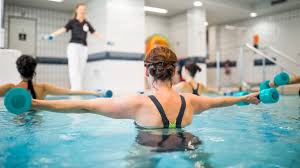
Land-based exercises for the shoulder can be too painful for some patients in the early or middle phases of treatment. Hydrotherapy in Melbourne is a good alternative. The warmth of the water helps relax the shoulder, and the buoyancy of the water helps support the range of motion of the arm, pain and the water’s gravity, which makes some movements of the arm torturous on land.

9. Home Exercise Program

To recover from a frozen shoulder, it is important to have a structured home exercise program. You spend most of your time at home, and doing the proper exercises at home is very important for a speedy recovery. The physiotherapist will give you a specific program to do at home, and will change it at each session, based on how you are improving.

Best Exercises for Frozen Shoulder

Listed here are some of the exercises that physiotherapists most frequently prescribe for a frozen shoulder. It is important to have the physiotherapist evaluate you and determine what stage you are at and how you present, before you decide to do any of the exercises, as some of the exercises are contraindicated when you are in the freezing stage.

1. Pendulum Exercise

Stand beside a table and lean towards it using your healthy hand. Allow the affected arm to hang freely. Using a gentle swinging motion from your body (not the shoulder muscles), make small circles and forward-backward and side-to-side movements with the hanging arm. This gravity-assisted movement gently distracts the glenohumeral joint and reduces capsular compression. Perform for 1–2 minutes, 3 times daily.

2. Finger Walk

Stand in front of the wall and touch the wall with your fingers at waist level. Now slowly walk up and down the wall using your fingers. However, make sure that you do not go up too much; rather, just go as high as possible for you. The purpose of this exercise is to make shoulders more flexible without putting any pressure on the damaged part. Do this 10 times in a day.

3. Shoulder Cross-Body Stretch

This stretch will help in stretching the frozen shoulder. In this exercise, you should hold your affected arm near your chest and stretch it across your body using the other arm. The stretch will pull the arm across your body so that you feel a stretch at the back of your shoulder. You should do this for about 20 to 30 seconds. Repeat three times.

4. Wall Climb (Side)

Stand to the side of a wall with your affected arm closest to it. Place your fingertips on the wall at hip height and walk them up the wall. This exercise is meant to improve the upward reach of your arm, which is often difficult to do with a frozen shoulder. The key with this exercise, as with all of them, is to go slow and do your best not to force anything.

5. External Rotation Stretch

Lay on your back with your elbow bent at 90 degrees. Your upper arm should be be on the surface. Lower your forearm to the surface and let it hang. A stretch should be felt in the front of the shoulder. Hold the position for 20 to 30 seconds. External rotation is often the most limited movement for a frozen shoulder. It must be worked on in those cases.

How Long is the Recovery From Frozen Shoulder?

This is the main question that most patients have. It can be said that frozen shoulder can be one of the most tedious musculoskeletal issues to recover from. However, the recovery time can certainly be improved with physiotherapy.

Without Physiotherapy

The frozen shoulder can take anywhere from 1 to 3 years to resolve without any type of treatment. In that time, many patients do not regain full range of motion. Pain is very present during the freezing and frozen stages.

With Physiotherapy

Those who begin physiotherapy during the freezing or early frozen stages, will see substantial improvement in about 3 to 6 months. The majority will regain functional range of motion in about 6 to 12 months.

What to Expect

For the freezing stage, pain control and slowing the stiffness are the main goals of physiotherapy. Patients should expect to undergo at least 6 to 12 weeks of treatment before beginning to see substantial changes in range of motion.

  • Frozen Stage: There is a considerable amount of active physiotherapy in this stage, and meaningful gains in range of motion require consistent treatment for 3-6 months.
  • Thawing Stage: This stage brings an even faster recovery rate, and with the right physiotherapy, most patients reach a functional state of recovery within 3-6 months of entering this stage.

10 Tips to Recover Faster from Frozen Shoulder

  1. Begin physiotherapy as early as possible: The sooner physiotherapy is commenced, the better the results of treatment become. Waiting to see whether the shoulder will thaw by itself is not an acceptable option.
  2. Consistency with home exercises: Frozen shoulder recovery relies most on the consistency of home exercises, with daily, shorter exercise sessions preferred to longer, sporadic sessions.
  3. Avoid severe pain: While stretching may cause some discomfort, significant sharp pain is an indication that you have gone too far and may be worsening the inflammation.
  4. Utilize heat: Stretching becomes more comfortable and easier to perform after applying a heat pack to the shoulder for 10-15 minutes.
  5. Select the proper sleep position: If sleeping on your back, support your arm in a comfortable position with a pillow. Do not sleep on your shoulder.
  6. Stay active otherwise: Support mental well-being throughout the long recovery by maintaining overall fitness and cardiovascular health.
  7. Rigid blood sugar control is essential for diabetics as blood sugar control is related to positive outcomes. It is important to collaborate closely with your General Practitioner or Endocrinologist during your recovery.
  8. Anti-inflammatory medication during the freezing stage can help with inflamed capsular tissues and aid the effectiveness of physiotherapy. Be sure to discuss pain management with your GP.
  9. Patience and realism should go hand in hand. A frozen shoulder will usually take several months to recover from. You should always remember that you should monitor any improvement in a continuous manner.
  10. If your pain is extreme, consider a corticosteroid injection. In the early freezing stage of frozen shoulder, corticosteroid injections can reduce inflammation and improve the effectiveness of physiotherapy. This can be coordinated by your physio and GP.

Why Choose Keep In Motion Physiotherapy for Frozen Shoulder in Melbourne?

Treating a frozen shoulder is a clinical challenge that requires a dynamic, innovative treatment approach with a lot of patience. Our physiotherapy team at Keep In Motion has the required expertise to manage frozen shoulder at all levels and all stages of treatment, from control of the early pangs to the final stages of shoulder rehabilitation.

  • Physiotherapists who are AHPRA-registered with specialism in shoulder problems and adhesive capsulitis
  • Treatment plans tailored to each stage of frozen shoulder — every element of your plan will correspond to your position within the frozen shoulder cycle
  • Techniques that are evidence-based such as Maitland joint mobilisation, capsular stretching to a specific end range, dry needling, and strengthening in a progressive manner
  • Home exercise programs that are fully personalized and include progressions and consistent revisions
  • Convenient locations — Clinics in Craigieburn, Epping, Wollert, Coolaroo and available morning and Saturday appointments
  • WorkSafe, TAC, DVA, and Medicare EPC welcomed

Providing holistic care is important to us and we believe it is vital to treating the pain that accompanies long-term frozen shoulder. This is the neck and shoulder pain and chronic pain that is often felt and we address this in our practice.

FAQs

Though frozen shoulder can, and often does, heal spontaneously and without physiotherapy, it is of no small burden. This can take from one to three years and permanent stiffness can result. Physiotherapy greatly decreases this negative contract and improves the overall result; the healing process is much faster and more comfortable. Physiotherapy is highly recommended during the freezing phase.

Generally, individuals suffering from frozen shoulder would need to have 12 to 20 sessions of physiotherapy treatment within 3 to 6 months’ time. It could change greatly, based on the condition of frozen shoulder and compliance of the prescribed home program, among others. The sessions would be either weekly or bi-weekly. We will make adjustments in the plan to ensure that you are on the right track.

No, you won’t have frozen shoulder forever. Most people get back full mobility of their shoulder without help after a few years. A small portion of people (around 10-15%) have a slight permanent stiffness of the shoulder. Physiotherapy helps to lessen the amount of time you have frozen shoulder, and the chance you will have some stiffness for the rest of your life.

Frozen shoulder has a lot of stiffness and pain which causes a lot of stress and tension in the muscles of the shoulder. The dry needling of the rotator cuff, upper trapezius, pectoral minor, and the deltoid muscles will lessen the pain and muscle tension. This will help the mobilization and stretching of the joint. Make sure you talk to your physiotherapist about using dry needling for your condition.

Daily shoulder exercises you physiotherapist set you are highly encouraged. Daily exercises during the frozen stage are highly important and will help lessen the condition. The exercises during the thawing stage of the frozen shoulder are very important, and your physiotherapist will set you the correct daily exercises.

The following are some of the cases when you need to consult a physiotherapist:

You’ve had shoulder pain lasting more than two to three weeks without any improvement, and/or

Your shoulder pain hampers your ability to do day-to-day activities like dressing up or doing other activities that involve reaching out.

If you see a physiotherapist in time, it will help you in knowing what your diagnosis is and in going ahead for treatment as soon as possible, to ensure that your condition does not become chronic.

It can. Since pain management is so critical during the freezing stage of a frozen shoulder, there are a number of different treatment modalities that are designed to help make frozen shoulder less painful and more comfortable. These treatment modalities can include but are not limited to, joint mobilization, soft tissue therapy, dry needling, and heat therapy. There are a host of other treatment modalities as well. Patients tend to experience less pain during nighttime and daytime within a couple of weeks of physiotherapy sessions.

Having a frozen shoulder is the most irritating disease one could have. It is painful. It can disrupt sleep. It causes a lot of different functional limitations. It can be very difficult and uncomfortable to get dressed. Although there is no cure for frozen shoulder, it is one of the most well-managed conditions through physiotherapy. It is surprisingly remarkable how much the quality of treatment at a certain stage of frozen shoulder can affect the length of the recovery.

There is no need to just let it be. With a physiotherapist, you can significantly improve the quality of your life and receive less pain throughout your recovery. You can help to improve the range of other people’s frozen shoulders.

Frozen shoulder? We can help you with that! At Keep in Motion Physio, we make it easy for our patients to get scheduled with no referral needed for private appointments. Usually, we have openings for appointments the same week in our Craigieburn, Epping, Wollert, and Coolaroo locations.

This doesn’t have to be painful, and we can help you get back to the day-to-day with the help of our experienced physiotherapy staff.

Keep in Motion Physiotherapy offers shoulder pain physiotherapy and treatment in Craigieburn, Epping, Wollert, Coolaroo, Roxburgh Park, Thomastown, and Truganina and other surrounding suburbs in the northern and western parts of Melbourne.

Physio in Truganina: Expert Physiotherapy for Pain Relief & Recovery

If you’re looking for an experienced and reliable physiotherapist in Truganina Finding the best assistance can make a huge impact on your recovery. When you’re dealing with injuries, pain, or have limited movement, physiotherapy can assist you to return to your regular routine quicker.

In Keep In Motion Physio, we offer personalized treatment to help those living in Truganina and the surrounding areas to improve their mobility and feel more energized.

What Does a Physio Do?

A physiotherapist (physio) is a health professional who assists in treating injuries, pain, and issues with movement. The focus of treatment is on improving strength, flexibility, as well as overall performance.

Physio treatment may include:

  • Exercise programs
  • Manual therapy
  • Injury rehabilitation
  • Pain management techniques

Why Choose a Physio in Truganina?

Choosing a local physio in Truganina means you get convenient and consistent care close to home.

1. Easy Access to Treatment

You don’t have to travel far, which makes it easier to attend regular sessions.

2. Personalised Care

Local physiotherapists understand the needs of the community and provide tailored treatment plans.

3. Faster Recovery

Regular sessions with a physio can help speed up your recovery and prevent future injuries.

Conditions Treated by Physiotherapy

A physio in Truganina can help with many conditions, including:

  • Back and neck pain
  • Sports injuries
  • Joint pain (knee, shoulder, hip)
  • Post-surgery recovery
  • Muscle strains and sprains
  • Chronic pain conditions

What to Expect in Your First Physio Session

When you visit a physio in Truganina, your first session usually includes:

  • Assessment of your condition
  • Discussion about your pain or injury
  • Movement testing
  • A personalised treatment plan

Your physio will guide you step-by-step so you feel comfortable and confident.

Why Choose Keep In Motion Physio?

If you are searching for a reliable physio in Truganina, Keep In Motion Physio focuses on:

Personalised treatment plans
Friendly and professional care
Evidence-based techniques
Long-term recovery solutions

Our goal is to help you move without pain and return to your daily activities as soon as possible.

Book a Physio in Truganina Today

Don’t ignore pain or discomfort. Early treatment can prevent bigger problems later.

Book your appointment with Keep In Motion Physio today and start your recovery with expert physiotherapy care in Truganina.

hydrotherapy exercises

Hydrotherapy Exercises: Benefits, Techniques & How Physiotherapy Can Help

Exercises in hydrotherapy are a straightforward and effective method of reducing the pain, increase movement and help heal injuries. In Australia numerous physiotherapy clinics make use of hydrotherapy as a part of rehabilitation programs due to it being safe, easy to do and extremely effective.

In Keep In Motion Physio, hydrotherapy exercises are created to assist people in moving better while not putting excessive strain on joints.

What Are Hydrotherapy Exercises?

hydrotherapy exercises

Hydrotherapy exercises are performed by swimming in hot water often in pools. The water assists your body and makes movement more comfortable more comfortable and less painful.

These exercises are often recommended by physiotherapists for people who:

  • Have joint pain
  • Are recovering from injury or surgery
  • Find normal exercise difficult

Benefits of Hydrotherapy Exercises

1. Reduced Joint Stress

Water helps support your body weight, reducing the pressure on joints. This is beneficial for those who suffer from arthritis, injuries or recovery from surgery.

2. Pain Relief

Warm water relaxes muscles and improve circulation, which can dramatically reduce stiffness and pain.

3. Improved Strength & Flexibility

Water offers a gentle resistance that helps you build the strength you need without causing further injuries.

4. Better Balance & Coordination

Hydrotherapy exercises improve stability in a safe environment, lowering the risk of falls.

5. Faster Recovery

Patients usually recover faster in comparison to exercises on land because of less strain and better quality of movement.

Who Can Benefit from Hydrotherapy Exercises?

Hydrotherapy is suitable for a wide range of conditions, including:

  • Sports injuries
  • Back and neck pain
  • Post-surgical rehabilitation
  • Arthritis and joint pain
  • Neurological conditions
  • Chronic pain conditions

If you’re unsure whether hydrotherapy is right for you, a physiotherapy assessment can help determine the best approach.

Common Hydrotherapy Exercises

Some commonly used exercises of hydrotherapy include:

  • Water walking or jogging
  • Leg lifts and squats in water
  • Arm resistance movements
  • Balance exercises using pool support
  • Stretching in warm water

These exercises are usually tailored to your specific condition and recovery goals.

Why Choose Physiotherapy for Hydrotherapy?

While exercising in water may seem simple, doing the right exercises with proper technique is crucial. A qualified physiotherapist ensures:

  • Correct movement patterns
  • Safe progression of exercises
  • Personalised rehab programs
  • Faster and more effective results

At Keep In Motion Physio, our team designs customised hydrotherapy programs based on your needs, helping you return to daily activities with confidence.

Get Started with Hydrotherapy Exercises Today

If you’re suffering from injury, pain or have limited mobility, hydrotherapy exercise could be the answer you’ve been searching for.

Book your appointment at Keep In Motion Physio today and begin the journey toward a more comfortable and pain-free lifestyle.

Best Sports Injury Physio in Epping

Best Sports Injury Physio in Epping

Sports injuries can affect anyone, not just professional athletes. Whether You enjoy gym workouts or playing football on the weekend or running, or you are physically active at work and can easily be taken up by an injury and thrown off schedule. Even simple movements are painful, stiff or weak. This is where finding the best sports injury physio in Epping becomes essential for safe and effective recovery.

A good sports physiotherapist doesn’t only cure pain. They focus on restoring movement, improving strength, and helping you return to activity with confidence. With the right care, you can recover properly and reduce the risk of the injury returning.

Common Sports Injuries We Treat

Sports injuries can happen suddenly or develop over time due to overuse. Some of the most common conditions we treat include:

  • Final Thoughts
  • Sprained ankles
  • ACL and knee injuries
  • Hamstring and quad strains
  • Shoulder injuries (rotator cuff, dislocation)
  • Tennis elbow & golfer’s elbow
  • Shin splints
  • Achilles tendon pain
  • Lower back pain from sports

If you’re unsure about your injury, our physiotherapists perform a detailed assessment to identify the root cause — not just treat the symptoms.

Why Choose a Sports Injury Physio in Epping?

Choosing a local sports injury physio in Epping means faster appointments and care designed specifically for you. Being close to home or work makes it easier to attend regular sessions, which is key to successful recovery.

  • Faster access to appointments
  • Ongoing support close to home
  • Personalised rehab programs
  • Better long-term recovery outcomes

Common Sports Injuries Treated

Sports physiotherapists in Epping treat a wide range of injuries, including:

  • Muscle strains in the hamstrings, calves, quads, and groin
  • Joint injuries such as knee pain, ankle sprains, and shoulder problems
  • Tendon injuries like Achilles pain and tennis elbow
  • Back and neck pain caused by poor movement or overuse

Supporting Athletes Across Epping

We proudly help local athletes, school sports players, gym members, and weekend warriors across Epping recover with confidence. Our goal is simple: help you move better, feel stronger, and return to sport without fear.

If you’re looking for the best sports injury physio in Epping, professional care and personalised rehabilitation can make all the difference.

Book Your Sports Injury Appointment Today

Don’t let pain keep you off the field. Early treatment means faster recovery and better performance.

Contact Keep In Motion Physio today to book your sports injury assessment in Epping and start your recovery journey.

physiotherapy services in hoppers crossing

Physiotherapy in Hoppers Crossing: Expert Care to Help You Move Pain-Free

Living with pain or restricted movement can slowly impact your work, lifestyle, and confidence. Whether the issue is caused by an injury, long working hours, sports activity, or everyday strain, seeking professional care early can make a significant difference. If you are looking for reliable physiotherapy services in Hoppers Crossing, choosing an experienced local clinic ensures safe, effective, and personalised treatment.

At Keep In Motion Physio, patients receive evidence-based physiotherapy focused on long-term recovery, not just short-term pain relief.

physiotherapy services in hoppers crossing

Why Physiotherapy Is Important for Long-Term Health

Physiotherapy is a science-based treatment approach that helps restore movement, reduce pain, and prevent future injuries. It focuses on identifying the root cause of the problem rather than just treating symptoms.

Many people choose physiotherapy in Hoppers Crossing for conditions such as:

  • Back and neck pain
  • Shoulder, knee, and joint issues
  • Sports and exercise-related injuries
  • Post-surgical rehabilitation
  • Work-related muscle and posture problems

With the right physiotherapy plan, the body can heal naturally while becoming stronger and more flexible over time.

Trusted Physiotherapy services in Hoppers Crossing

Choosing a local clinic means choosing care that understands your lifestyle. Keep In Motion Physio provides professional and personalised treatment to individuals in the Hoppers Crossing community, helping them recover safely and effectively.

Each session is designed around the patient’s specific condition, goals, and daily routine. This personalised approach ensures that treatment is practical, realistic, and easy to continue outside the clinic.

Physiotherapy Services in Hoppers Crossing at Keep In Motion Physio

Keep In Motion Physio offers a wide range of physiotherapy services in Hoppers Crossing, suitable for people of all ages and activity levels.

Musculoskeletal Physiotherapy: Focused treatment for muscle and joint pain that improves movement and reduces discomfort during daily activities.

Sports Injury Rehabilitation: Structured rehabilitation programs designed to help patients recover from sports injuries and return to activity safely.

Posture and Movement Correction: Assessment and treatment of posture-related issues that often lead to long-term pain and stiffness.

Pain Management and Injury Prevention: Hands-on therapy combined with education and exercises to manage pain and reduce the risk of future injuries.

The goal is always to help patients understand their bodies better while supporting long-term recovery.

Benefits of Physiotherapy in Hoppers Crossing

Accessing physiotherapy services in Hoppers Crossing allows patients to receive consistent care close to home. Local physiotherapists are better able to understand work demands, activity levels, and common lifestyle factors that affect recovery.

At Keep In Motion Physio, we focus on:

  • Improving movement quality
  • Reducing pain naturally
  • Preventing recurring injuries
  • supporting long-term physical health

Why Choose Keep In Motion Physio?

  • Experienced and qualified physiotherapists
  • Individualised, one-on-one treatment sessions
  • Evidence-based techniques with a personal approach
  • Focus on long-term recovery, not just short-term relief
  • A trusted provider of physiotherapy services in Hoppers Crossing

Patients are treated as individuals, not just conditions.

Book Your Appointment Today

Explore our services, meet our experienced team, or schedule your appointment online through our website. At Keep In Motion Physio, we’re committed to supporting your health with care that focuses on long-term results.

Get in touch with our clinic in Hoppers Crossing today and start your journey towards better movement, greater comfort, and a more active lifestyle.

Post Surgery Physiotherapy in Richmond

Post-Surgery Physiotherapy in Richmond

Post Surgery Physiotherapy in Richmond

Recovering from surgery doesn’t end when you leave the hospital. Actually, then it is usually the start of the true healing process. In search of post surgery physiotherapy in Richmond, you need only to do this: get the mobility back, lessen the pain, and get you safely and confidently back to normal life.

It can be joint replacement, ligament repair, spinal surgery, or any other type of surgery, but proper rehabilitation is a significant factor in long-term recovery.

Why Post Surgery Physiotherapy Matters

After surgery, your body naturally becomes stiff, weak, and less mobile. Without guided rehabilitation, recovery can be slower and sometimes incomplete.

Post-surgical physiotherapy helps with:

  • Reducing pain and swelling
  • Improving mobility and flexibility
  • Strengthening weakened muscles
  • Preventing complications like stiffness or scar tightness
  • Helping you regain independence faster

For patients in Richmond, accessing structured physiotherapy early can significantly improve recovery outcomes.

What to Expect in Post Surgery Physiotherapy in Richmond

When you begin post surgery physiotherapy in Richmond, your treatment plan is usually tailored based on:

  • Type of surgery
  • Your current pain and mobility level
  • Your overall health and age
  • Recovery goals

A typical rehabilitation plan may include:

  • Gentle range-of-motion exercises
  • Guided stretching routines
  • Strength-building exercises
  • Balance and walking training
  • Pain management techniques (like ice therapy or manual therapy)

The process is gradual, the focus is always on safe recovery, not speed.

Surgeries We Commonly Treat

We provide post-surgery rehabilitation in Richmond for a wide range of procedures, including:

  • Knee replacement surgery
  • ACL reconstruction
  • Meniscus repair
  • Shoulder surgery (rotator cuff, labral repairs)
  • Hip replacement surgery
  • Spinal and back surgery
  • Ankle and foot surgery
  • General orthopaedic procedures

If you’re unsure whether physiotherapy is right for your surgery, we’re always happy to guide you.

Benefits of Choosing Local Physiotherapy in Richmond

Searching for post surgery physiotherapy in Richmond is not just about convenience — it actually improves consistency in care.

Local physiotherapy benefits include:

  • Easy access to regular sessions
  • Better follow-ups and monitoring
  • Faster response to complications or pain issues
  • Personalized care based on local lifestyle needs

When your physiotherapist is nearby, sticking to your recovery schedule becomes much easier.

What to Expect During Your Post-Surgery Physio Sessions

Your rehabilitation journey typically includes:

  • Gentle mobility and range-of-motion exercises
  • Progressive strengthening programs
  • Manual therapy where appropriate
  • Pain and swelling management techniques
  • Education on movement, posture, and home exercises

As your recovery improves, your program evolves — helping you regain confidence and independence step by step.

Supporting Your Recovery Beyond the Clinic

Recovery doesn’t stop when you leave the clinic. As part of our post-operative physiotherapy in Richmond, we provide:

  • Easy-to-follow home exercise programs
  • Advice on daily activities and work duties
  • Guidance on returning to sport or exercise safely

Our goal is to support you not only during your recovery, but even after you’ve healed.

Book After Surgery Physiotherapy in Richmond

If you’ve recently had surgery or have one coming up, early physiotherapy can significantly improve your recovery outcome.

Contact Keep In Motion Physio today to book your post-surgery physiotherapy appointment in Richmond, or speak with our team to discuss your recovery plan.

Physiotherapy Services in Tarneit

Physiotherapy Services in Tarneit

Recover Your Strength: Expert Physiotherapy Services in Tarneit

Living a life full of movement and vitality is something everyone deserves. However, persistent pain, sports injuries, or the natural aging process can sometimes slow us down. If you are searching for professional Physiotherapy Services in Tarneit, understanding how dedicated care can transform your quality of life is the first step toward recovery.

At Keep In Motion Physiotherapy, we believe that movement is medicine. Located conveniently for residents of Tarneit and surrounding suburbs, our mission is to provide evidence-based, personalized treatments that don’t just mask symptoms but address the root cause of your physical challenges.

Physiotherapy Services in Tarneit
 

Why Choose Professional Physiotherapy?

Physiotherapy is more than just “exercises.” It is a clinical health science focused on restoring, maintaining, and maximizing physical strength, function, and overall well-being. Whether you are dealing with chronic back pain, recovering from surgery, or managing a workplace injury, professional intervention ensures that you heal correctly and prevent future recurrences.

By choosing specialized physiotherapy services in Tarneit, you gain access to therapists who understand the biomechanics of the human body. We use a combination of manual therapy, tailored exercise programs, and education to empower you on your journey to health.

Our Core Physiotherapy Services in Tarneit

At Keep In Motion Physiotherapy, we offer a comprehensive suite of services designed to cater to the diverse needs of the Tarneit community.

  1. Musculoskeletal and Sports Injury Management – From ankle sprains on the weekend footy field to golfer’s elbow or runner’s knee, sports injuries require specific care. Our therapists analyze your movement patterns to identify imbalances. We provide targeted treatments to get you back to your peak performance as safely and quickly as possible.
  2. Back and Neck Pain Relief – In today’s digital age, “tech neck” and lower back strain from prolonged sitting are incredibly common. We utilize spinal mobilization, postural correction techniques, and core strengthening to alleviate discomfort and improve your spinal health.
  3. Post-Operative Rehabilitation – Surgery is often only the first step of the healing process. The real work begins with rehabilitation. We work closely with your surgical outcomes to create a recovery roadmap that helps you regain range of motion and muscle strength after procedures like joint replacements or ACL reconstructions.
  4. Chronic Pain Management – Living with conditions like osteoarthritis or fibromyalgia can be exhausting. Our approach to chronic pain involves gentle movement therapy and education to help desensitize the nervous system and improve your daily functional capacity.

The Keep In Motion Difference

What sets our Physiotherapy Services in Tarneit apart is our commitment to a patient-centric model. We don’t believe in a “one size fits all” approach.

  • Comprehensive Assessments: Every journey starts with an in-depth consultation where we listen to your history, goals, and concerns.
  • Individualized Treatment Plans: Your body is unique, and your treatment should be too. We design programs that fit your lifestyle and specific recovery timeline.
  • Hands-on Care: We combine modern technology with traditional manual therapy techniques—such as joint manipulation and soft tissue massage—to provide immediate relief.
  • Long-Term Wellness: Our goal isn’t just to fix the current problem; it’s to provide you with the tools and knowledge to stay “in motion” for years to come.

Benefits of Local Care in Tarneit

Choosing a local provider for your physiotherapy needs offers more than just convenience. It allows for consistency in your treatment. Regular sessions are vital for progress, and having a clinic like Keep In Motion Physiotherapy nearby means you are more likely to stick to your rehabilitation schedule.

Furthermore, we understand the Tarneit lifestyle—from the local parks where you walk your dog to the local sporting clubs you play for. This community connection allows us to tailor our advice to your real-world environment.

What to Expect During Your First Visit

If you’ve never visited a physiotherapist before, it’s natural to feel a bit uncertain. At Keep In Motion Physiotherapy, we prioritize your comfort.

During your initial appointment, your physiotherapist will conduct a physical examination to test your strength, flexibility, and joint mobility. We will then explain our findings in plain English—no confusing medical jargon. You’ll leave your first session with a clear understanding of what’s wrong, how we can fix it, and a roadmap for your recovery.

Take the First Step Toward a Pain-Free Life

You don’t have to “just live” with pain. Whether it’s a dull ache that won’t go away or a sharp pain that limits your mobility, early intervention is key. Neglecting minor injuries often leads to compensatory movements that cause issues elsewhere in the body.

By seeking out the best Physiotherapy Services in Tarneit, you are investing in your future self. At Keep In Motion Physiotherapy, we are ready to help you rediscover the joy of movement.

Book Your Appointment Today

Are you ready to get back to the activities you love? Don’t let pain hold you back any longer. Visit our website at www.keepinmotionphysio.com.au to learn more about our team or to book your consultation online.

Let us help you move better, feel better, and stay in motion. Reach out to Keep In Motion Physiotherapy today—your trusted partner for health and wellness in Tarneit.

Physiotherapy Services in Mickleham

Physiotherapy Services in Mickleham

Discover the Best Physiotherapy Services in Mickleham: Your Path to Lasting Health with Keep in Motion

When chronic pain limits your daily activities, a sports injury sidelines your passions, or you simply need to restore function and mobility, finding reliable and high-quality Physiotherapy Services in Mickleham is essential. For residents in the area, the path to recovery, enhanced performance, and a pain-free life begins with choosing the right partner in health. That partner is Keep in Motion Physiotherapy. We are committed to providing personalized, evidence-based care that addresses the root cause of your discomfort, helping you move better and live fuller.

Physiotherapy Services in Mickleham

Why Physiotherapy is Your Best Investment

Physiotherapy is more than just injury treatment; it is a holistic approach to health and movement. Our services are designed to help people of all ages and activity levels manage and prevent a wide range of physical conditions.

Physiotherapy Services in Mickleham at Keep in Motion Physiotherapy can help you:

Relieve Chronic Pain: Targeted treatments help to alleviate persistent back pain, neck pain, headaches, and other long-term discomfort without relying solely on medication.

Restore Mobility and Function: Whether recovering from surgery or managing the stiffness of arthritis, our programs focus on increasing your range of motion and strength, making everyday tasks easier.

Accelerate Injury Recovery: We specialize in the rehabilitation of sprains, strains, fractures, and ligament injuries, ensuring a safe and effective return to sport or work.

Improve Posture and Ergonomics: By assessing your movement patterns, we can correct poor posture and provide workplace ergonomic advice to prevent future issues.

Enhance Athletic Performance: For athletes, our physios can identify biomechanical flaws and develop pre-hab and performance-enhancement programs tailored to your sport.

Choosing physiotherapy is choosing a proactive and sustainable solution to your physical well-being. It is a partnership where you gain the knowledge and tools needed to manage your health long-term.

Comprehensive Physiotherapy Services in Mickleham

At Keep in Motion Physiotherapy, we understand that no two bodies are the same, and neither are their recovery needs. Our clinic offers a comprehensive suite of services, delivered by experienced and dedicated professionals who utilise the latest techniques and technology. When you search for Physiotherapy Services in Mickleham, you’ll find that our commitment to patient-centred care sets us apart.

Our core services include:

  1. Musculoskeletal and Orthopaedic Rehabilitation: We treat common conditions affecting the muscles, bones, joints, and ligaments, including:
  • Sciatica and Disc Issues
  • Tendonitis (e.g., Achilles, Rotator Cuff)
  • Pre and Post-Surgical Rehabilitation (e.g., knee and hip replacements)
  • Arthritis Management
  1. Sports Injury Management: From diagnosis to final return-to-play clearance, we manage acute and overuse injuries specific to various sports. Our goal is not just recovery, but also preventing recurrence through thorough strength and conditioning programs.
  2. Chronic Pain Management: Living with persistent pain can be debilitating. Our approach involves a detailed assessment to identify contributing factors—physical, lifestyle, and psychological—and crafting a strategy that empowers you to regain control over your life.
  3. Dry Needling and Myofascial Release: These advanced manual therapies are used to treat trigger points, reduce muscle tension, and alleviate pain, often proving highly effective for hard-to-reach or deep-seated issues.
  4. Women’s Health and Pelvic Health: Specialized care is provided for conditions unique to women, including pregnancy-related pain, post-natal recovery, and pelvic floor dysfunction.
  5. Hydrotherapy: Utilising the benefits of water, our hydrotherapy sessions provide a low-impact, supportive environment for exercise, ideal for early-stage rehabilitation and chronic pain conditions.

Our therapists at Keep in Motion Physiotherapy are continually updating their skills to ensure that the Physiotherapy Services in Mickleham you receive are of the highest clinical standard, focusing always on long-term outcomes rather than temporary fixes.

The Keep in Motion Physiotherapy Difference

What makes Keep in Motion Physiotherapy the leading choice for Physiotherapy Services in Mickleham? It’s our philosophy that every individual deserves a tailored recovery plan and a genuinely supportive environment.

Personalised Treatment Plans: We reject the one-size-fits-all approach. Your initial consultation involves a thorough assessment—including a detailed history and physical examination—to create a bespoke treatment plan that aligns with your specific goals, lifestyle, and unique presentation.

Expert Clinicians: Our team comprises highly qualified and passionate physiotherapists with diverse areas of expertise, ensuring you are matched with the best professional for your condition.

Focus on Education and Empowerment: We believe knowledge is key to long-term health. We dedicate time to educate you about your condition and teach you self-management strategies, ensuring you play an active role in your recovery. We want you to leave our clinic not just feeling better, but understanding how to stay better.

Community Focus: As a locally-based provider of Physiotherapy Services in Mickleham, we are deeply invested in the health of our community, offering flexible appointment times and a welcoming, friendly atmosphere.

Your First Step Towards Better Movement

Taking the first step is often the hardest, but at Keep in Motion Physiotherapy, we make the process easy and comfortable. During your initial appointment, expect a comprehensive assessment where we listen carefully to your story and understand your pain journey. Following the assessment, we will clearly explain your diagnosis and discuss the recommended course of treatment, answering all your questions honestly and transparently. Treatment often begins immediately, ensuring you start feeling relief and seeing progress right away.

Don’t let pain dictate your life or limit your potential. High-quality Physiotherapy Services in Mickleham are available to help you reclaim your active, healthy lifestyle.

It’s time to get back into life. It’s time to get Keep in Motion.

Ready to Experience the Difference?

If you are looking for dedicated and effective Physiotherapy Services in Mickleham, contact Keep in Motion Physiotherapy today. We are ready to help you move freely and without pain.

We use new Technology

High Grade Laser, Laser Acupuncture, Ultrasound mechine, and TENS available